Microwave heating of wood products
Raw wood is a natural porous biomass material composed of three major components: cellulose, hemicellulose, and li...
About Production Shipment
For conventional customized equipment, we will complete the production in 7-15 days, the equipment could be shipped after your confirmation.
If available, it can be delivered directly.
Service commitment
After the arrival of the equipment, we will assign professional after-sales personnel to go to site for installation, guidance, commissioning, training, etc.
For those equipment cannot be installed on site, we will provide one-to-one video guidance for installation.
After sales service commitment
Within the agreed warranty period, all components of the equipment will be provided free of charge. Provide lifelong technical maintenance and repair services.
Tel:+86 53188965205
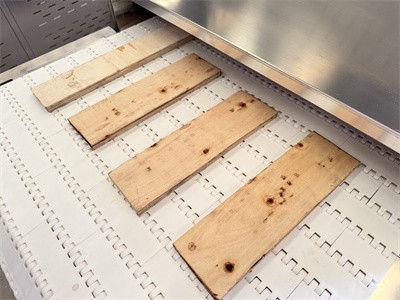
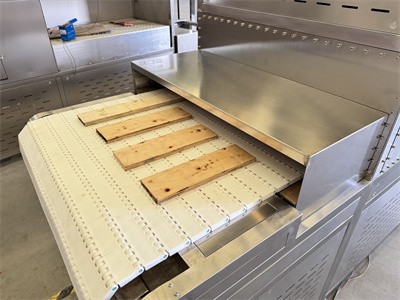
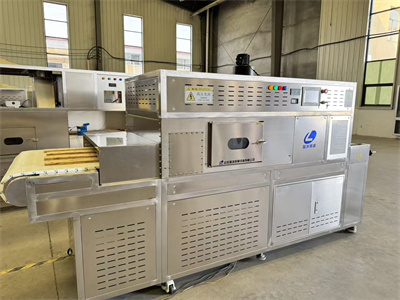
Raw wood is a natural porous biomass material composed of three major components: cellulose, hemicellulose, and lignin. Lignin acts as a natural adhesive, firmly bonding wood fibers and making the raw wood hard and less malleable. High temperature softening treatment is required before processing logs, which is an indispensable prerequisite for wood precision processing and a core step in reducing losses and improving the quality of finished products.
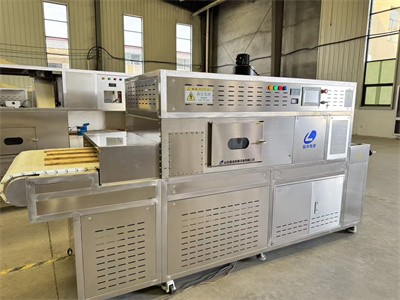
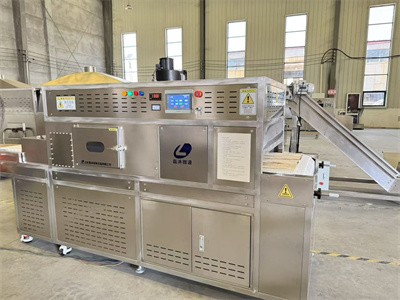
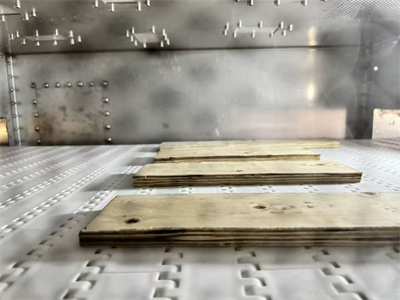
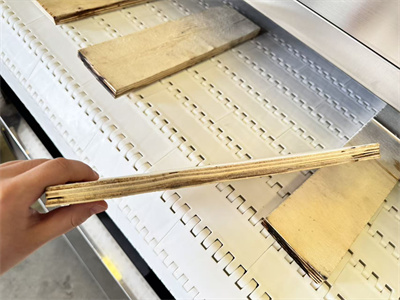
So what are the functions of using microwave equipment to heat and treat logs?
Firstly, to enhance the plasticity of wood, high temperature combined with moisture can reduce the softening temperature of lignin, break the hydrogen bonding force between fibers, allow wood fibers to move freely, adapt to bending molding, rotary cutting veneer, carving, planing wood veneer and other processes, and avoid cracking, edge breakage and material breakage during processing, bending and cutting.
Secondly, balance the moisture content of logs, eliminate the difference in moisture content between heartwood and sapwood, weaken drying stress, reduce deformation, warping, and cracking defects in later products, and improve the dimensional stability of wood.
Thirdly, to achieve insect and mold prevention, high temperatures can kill the eggs, molds, and saprophytic microorganisms inside the logs, reducing the risk of insect infestation and mold during later storage and use, and extending the service life of wooden products.





 QQ
QQ