With the arrival of summer, the environmental temperature and air humidity continue to rise, and the storage problem of grains and cereals will become more prominent. Various miscellaneous grains such as millet, brown rice, Job's tears, oats, and beans have loose structures and many pores, making them highly susceptible to absorbing water vapor from the air. When the ambient temperature reaches 20 ℃ or above and the relative humidity of the air exceeds 65%, the insect eggs hidden inside the grains and gaps will quickly hatch and breed. At the same time, excessive moisture in miscellaneous grains can cause problems such as clumping, heating, and mold growth, leading to the growth of mold and even the production of harmful substances. This not only reduces the edible quality and commodity value of miscellaneous grains, but also causes significant food loss.
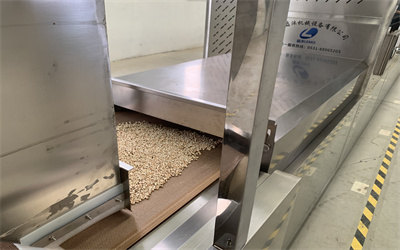
Compared with traditional methods such as drying, air drying, and chemical fumigation for grain storage, industrial microwave equipment has unique processing advantages that meet the actual production and storage needs of grain storage in high-temperature and high humidity environments. It effectively solves the problems of moisture, insect infestation, and mold growth in grain storage, while preserving the original quality of grain as much as possible.
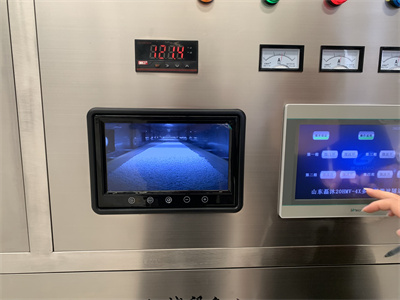
The biggest core characteristics of microwave processing are internal and external synchronization, low-temperature pest control and mold inhibition. Traditional drying methods mostly involve heating from the outside in, which can only dry the surface moisture of coarse grains. The moisture, insect eggs, and mold spores inside the particles are difficult to remove, and they will still repeatedly regain moisture and produce insects in high temperature and humidity weather. Microwaves have penetrating heating properties and can directly act on the interior of miscellaneous grains, allowing them to be uniformly heated as a whole. In a mild low-temperature environment, it can evaporate excess water inside the grains, stabilize the moisture content within a safe storage range, and eliminate the humid environment where mold grows. It can also effectively kill the hidden insect eggs, larvae, and mold spores in the grains, fundamentally blocking the conditions for insect hatching and mold reproduction, keeping them dry and clean for a long time, and not easily spoiled.
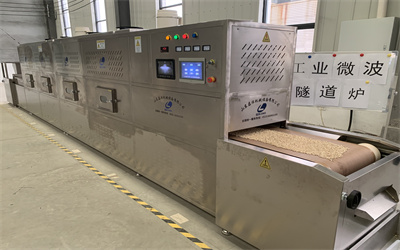
Meanwhile, microwave equipment has high efficiency in processing miscellaneous grains, is suitable for continuous production, and has strong practicality. Microwave equipment can start working immediately without preheating or waiting, and is not limited by weather or environment. It can quickly complete the integrated treatment of drying, insecticidal, and mildew prevention of miscellaneous grains. Moreover, the equipment can achieve continuous assembly line operation, suitable for various scenarios such as small and medium-sized batch processing and large-scale industrial production. The operation process is simple and does not require frequent manual flipping of materials, greatly saving labor and time costs.


 QQ
QQ