For manufacturers of automotive emergency start power supplies planning to enter the EU market, CE certification is an indispensable key step. The CE marking, as a mandatory safety symbol stipulated by EU law, directly affects whether a product can circulate freely in EU member states.

The CE certification of this product mainly involves three major directives. The Low Voltage Directive (LVD, 2014/35/EU) is a fundamental requirement. As long as the working voltage of the product is within the range of 50V to 1000V, it must comply with its electrical safety regulations. The Electromagnetic Compatibility Directive (EMC, 2014/30/EU) is equally crucial. Automobiles are in a high electromagnetic environment, and this directive ensures that the power supply neither interferes with other electronic devices nor is affected by external interference in operation. As the product contains batteries, the Battery Directive (2006/66/EC) must also be met to ensure the safety and environmental friendliness of the batteries.
The test execution standards must precisely correspond to the requirements of the instructions. Electrical safety tests shall refer to the standards of EN 60950 or EN 62368. EMC testing is carried out in accordance with the standards of EN 55032 and EN 55035. Environmental impact testing should be combined with product characteristics to confirm whether it complies with relevant environmental protection directives.
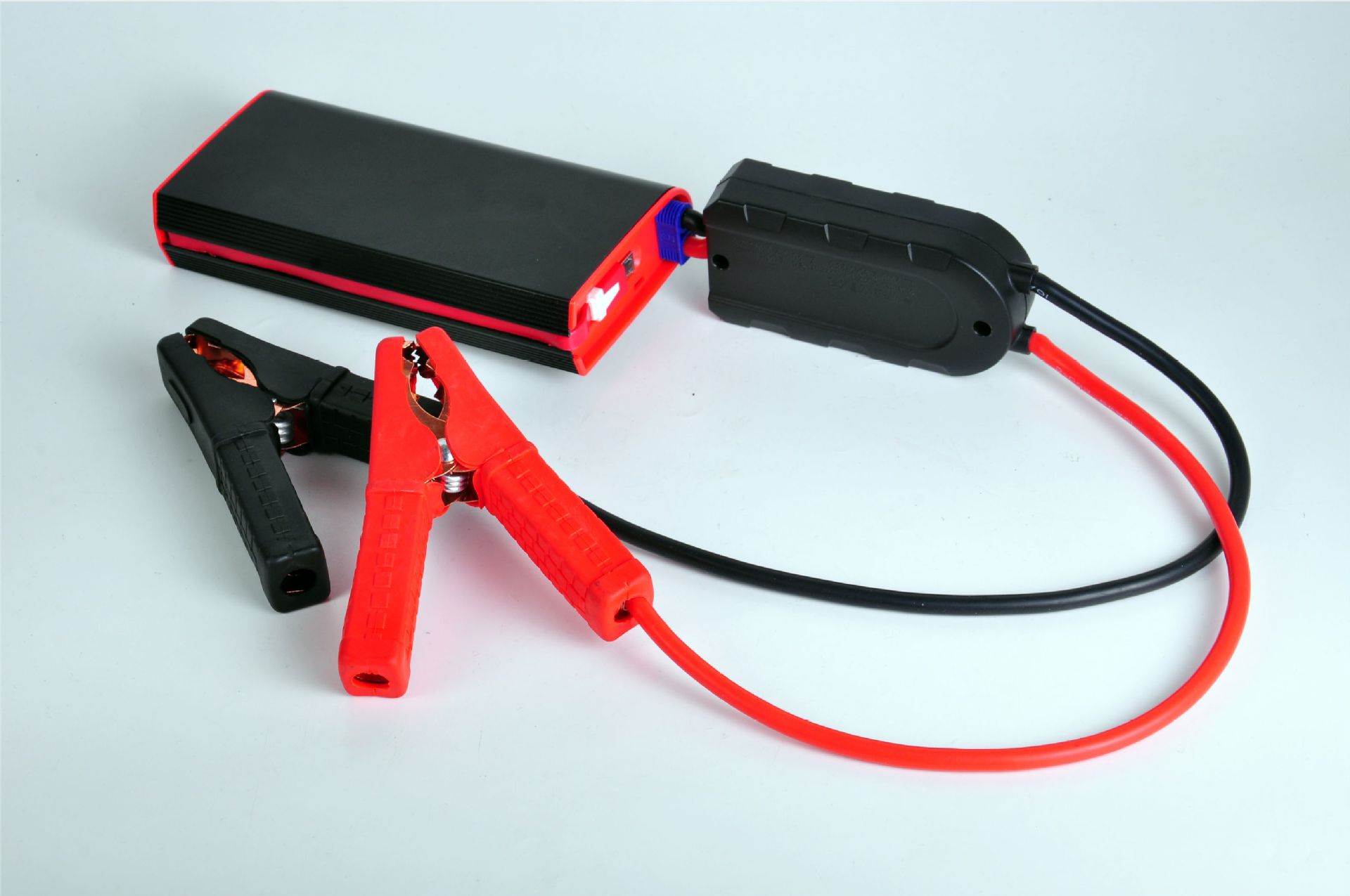
Before applying for certification, manufacturers need to prepare complete technical documents, including product name, model and other description documents, design and manufacturing drawings, test reports on safety and EMC, potential risk assessment and protective measures description, as well as the declaration of conformity (DoC) issued by the enterprise.
Obtaining CE certification brings significant benefits to manufacturers: it not only meets the mandatory requirements for market access in the EU, but also proves product quality and safety through strict testing, enhancing international image and market competitiveness, while avoiding legal risks and recall costs caused by non-compliance.