Label printers, as core auxiliary equipment in logistics, retail, and manufacturing, have become essential tools for enterprises' digital management due to their efficient and precise label generation capabilities. Among these models, those with wireless functions such as Bluetooth and Wi-Fi have seen a significant increase in demand as they meet the needs of mobile office scenarios. When such products enter the Canadian market, ISED IC certification is an indispensable compliance threshold.

Obtaining ISED IC certification is of great significance for label printer enterprises. On one hand, it is a mandatory requirement of the Canadian government. Wireless label printers without certification cannot pass customs clearance and cannot be sold in the local market. Violators may face penalties such as product seizure and fines. On the other hand, certification indicates that the product complies with Canadian radio frequency, electromagnetic compatibility, and safety standards, effectively avoiding interference with local communication equipment, enhancing the trust of Canadian buyers and end-users, and improving the product's market competitiveness.
To apply for certification, enterprises need to prepare a complete set of materials in advance to ensure a smooth process. In terms of enterprise qualifications, they need to provide notarized business licenses in both Chinese and English, as well as local agent authorization letters. Technical documents include product specifications (indicating working frequency band, transmission power), circuit diagrams, PCB layout diagrams, and RF block diagrams. For testing, they need to provide RF (RSS-247 standard) and EMC (ICES-003 standard) test reports issued by ISED-certified laboratories. Additionally, they need to prepare label samples marked with the IC certification number and compliance statements in English and French, as well as bilingual user manuals.
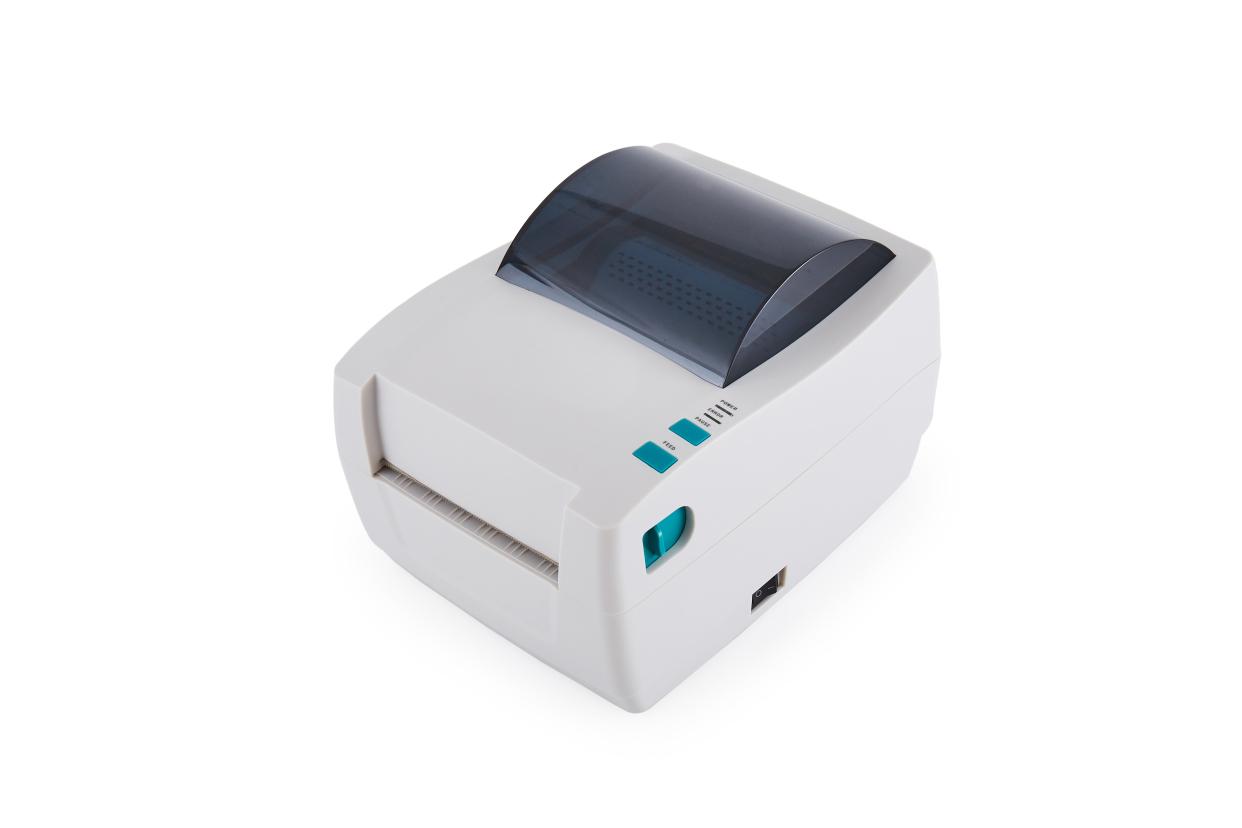
The certification process is clear and controllable, divided into four steps. The first step is to confirm the certification mode. Choosing module certification can exempt some RF tests, saving costs and time. The second step is to send samples to the recognized laboratory for testing. Ordinary wireless label printers can obtain reports in about 5-7 working days. The third step is to submit materials to the ISED online system for review. The review cycle is 3-5 working days. The fourth step is to obtain the certificate after approval, and the product can be marketed with the compliance mark. The entire process takes approximately 4-6 weeks.
In summary, ISED IC certification is the key for wireless label printers to enter the Canadian market. ZRLK is familiar with the certification standards and procedures and can provide services such as material organization, test coordination, and review follow-up to help enterprises efficiently complete compliance arrangements. Choose a professional partner to enable label printers to smoothly expand into the North American market and seize overseas business opportunities.