On July 9, 2020, Vietnam MIC issued the official document No. 15/2020/TT-BTTTT, which officially released the National Technical Regulation QCVN 101:2020/BTTTT for lithium batteries used in portable devices (mobile phones, tablets and laptops) . The new regulations are based on IEC 61960-3:2017 and TCVN 11919-2:2017 (IEC 62133-2:2017), but they are not completely equivalent to these standards. The new regulations will be formally implemented on July 1, 2021.
The main contents of the regulations are as follows:
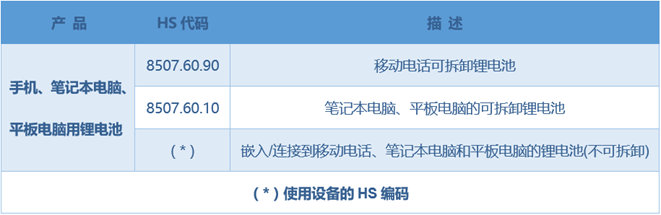
1. This regulation applies to lithium battery products and commodities with the following HS codes:
2. The safety requirements of the new technical regulations QCVN 101:2020/BTTTT have increased the vibration test and shock test (compared to the existing requirements of QCVN 101:2016/BTTTT).
3. From July 1, 2021, QCVN 101:2020/BTTTT will replace QCVN 101:2016/BTTTT. All batteries and cells that continue to be sold to Vietnam after the implementation date should be tested again in accordance with the new technical regulations.
4. Because there are new test items (vibration test and shock test are part of UN 38.3), the cost of testing batteries and batteries is expected to be higher than it is now.
According to QCVN 101:2020/BTTTT, Vietnamese and foreign organizations and individuals that manufacture or sell lithium batteries for portable devices (mobile phones, tablets, and laptops) in Vietnam fall within the scope of application. This means that the technical regulations cover all factories within the border of Vietnam, including factories located in export processing zones, unless there are other official regulations to exempt them.
ZRLK recommends that relevant companies make preparations in advance to cope with new regulatory requirements.